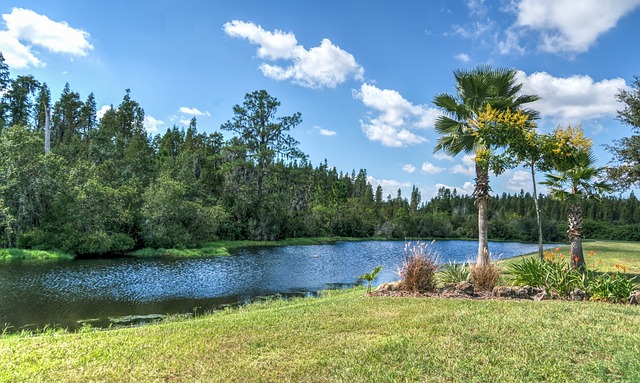
Wetlands play a crucial role in Florida’s watershed management by helping to filter and clean water, reduce flooding, and provide habitat for a variety of plants and animals. These unique ecosystems are often referred to as the “kidneys of the landscape” because of their ability to absorb, store, and release water. They act as natural sponges, holding rainwater and slowly releasing it throughout the year, which helps to recharge groundwater supplies and prevent droughts.
Florida is home to a diverse array of wetlands, including marshes, swamps, and mangroves, all of which play a vital role in supporting the state’s water resources. In addition to providing habitat for wildlife, wetlands help to improve water quality by trapping pollutants and excess nutrients before they can reach rivers, lakes, and estuaries. They also help to control erosion by stabilizing shorelines and reducing the impact of storms and hurricanes.
One of the key functions of wetlands in Florida’s watershed management is their ability to store and filter water. When rain falls on the land, wetlands act as natural sponges, absorbing and storing excess water. This helps to reduce the risk of flooding during heavy rain events and allows water to gradually seep into the ground, replenishing aquifers and maintaining water levels in rivers and lakes. In addition, wetlands act as natural filtration systems, removing pollutants such as sediment, nutrients, and heavy metals from the water before it flows into other bodies of water.
Another important role of wetlands in Florida’s watershed management is their ability to provide habitat for a wide variety of plant and animal species. Many species of fish, birds, and mammals rely on wetlands for breeding, feeding, and shelter. Wetlands also support a diverse range of plants, including unique species such as cypress trees, mangroves, and saw grass. By protecting and preserving wetlands, we can help to ensure the survival of these species and maintain the health of the ecosystem as a whole.
Unfortunately, wetlands in Florida are facing a number of threats, including pollution, development, and climate change. Urbanization and agriculture have resulted in the loss of thousands of acres of wetlands over the past century, leading to a decline in water quality and wildlife habitat. In addition, rising sea levels and increased storm intensity associated with climate change are putting additional pressure on Florida’s coastal wetlands, which are vital for protecting shorelines and reducing the impact of hurricanes.
To address these challenges and protect Florida’s wetlands, it is essential that we prioritize conservation and restoration efforts. This includes enforcing regulations to prevent the destruction of wetlands, restoring degraded wetlands, and implementing sustainable land use practices to reduce the impact of development on these valuable ecosystems. In addition, public education and outreach efforts are important for raising awareness about the importance of wetlands and promoting responsible stewardship of these critical resources.
Wetlands play a vital role in Florida’s watershed management by providing essential ecosystem services, such as water filtration, flood control, and habitat for wildlife. By recognizing the value of wetlands and taking action to protect and preserve them, we can ensure a sustainable future for Florida’s water resources and the plants and animals that depend on them. Let us all work together to safeguard these invaluable ecosystems for future generations.
Leave a Reply