
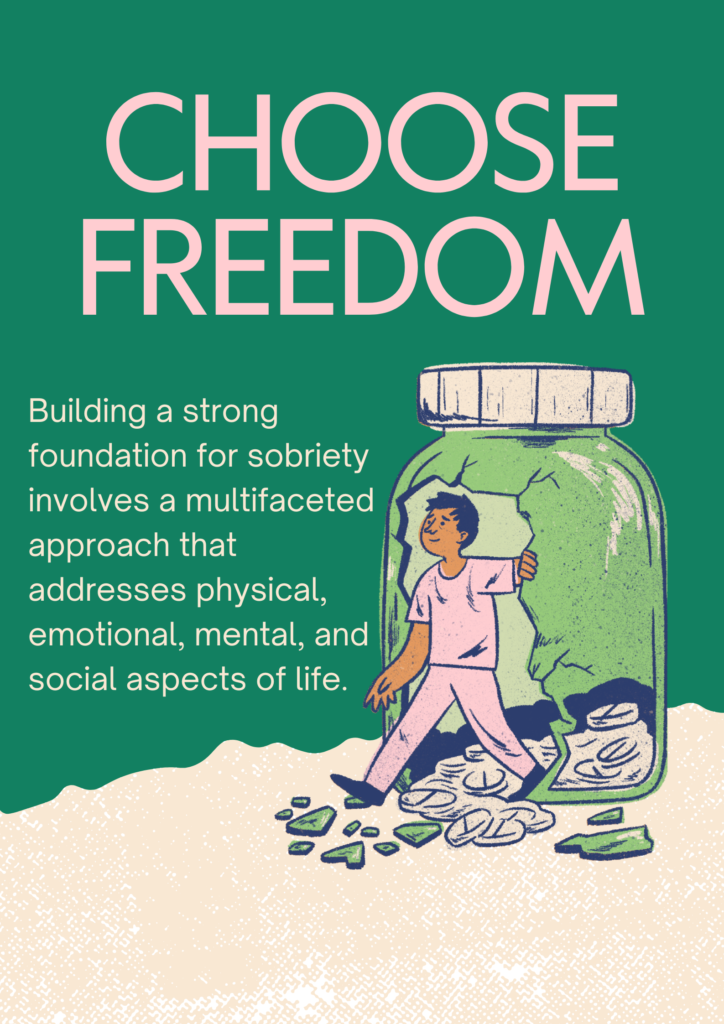
Achieving sobriety is a significant milestone for anyone recovering from addiction. However, maintaining sobriety requires ongoing effort and a solid foundation. Building a strong foundation for sobriety involves addressing physical, emotional, mental, and social aspects of recovery. This holistic approach ensures long-term success and a healthier, more fulfilling life.
1. Understanding the Importance of a Strong Foundation
The journey to sobriety is fraught with challenges, but a robust foundation can provide the stability needed to navigate these obstacles. A solid foundation for sobriety not only involves abstaining from substances but also creating a lifestyle that supports overall well-being and resilience. This comprehensive approach addresses the root causes of addiction and fosters personal growth and self-awareness.
2. Physical Health and Well-being
Physical health is a crucial component of a strong sobriety foundation. Proper nutrition, regular exercise, and sufficient sleep are essential for maintaining physical and mental health.
- Nutrition: A balanced diet rich in fruits, vegetables, lean proteins, and whole grains provides the necessary nutrients to repair and strengthen the body. Nutritional deficiencies can affect mood and energy levels, making it harder to maintain sobriety.
- Exercise: Regular physical activity releases endorphins, which can improve mood and reduce stress. Exercise also helps to regulate sleep patterns and provides a healthy outlet for managing emotions.
- Sleep: Adequate sleep is vital for cognitive function and emotional regulation. Establishing a regular sleep routine can improve overall well-being and reduce the risk of relapse.
3. Emotional and Mental Health
Emotional and mental health are key to sustaining sobriety. Developing coping strategies and seeking support are essential steps.
- Therapy and Counseling: Engaging in individual or group therapy can help address underlying issues that contribute to addiction. Cognitive-behavioral therapy (CBT) and other therapeutic approaches can provide tools for managing stress, anxiety, and depression.
- Mindfulness and Meditation: Practices such as mindfulness and meditation can enhance emotional regulation and reduce stress. These techniques promote self-awareness and help individuals stay present, reducing the likelihood of relapse.
- Support Groups: Participating in support groups like Alcoholics Anonymous (AA) or Narcotics Anonymous (NA) offers a sense of community and accountability. Sharing experiences with others who understand the challenges of recovery can provide encouragement and motivation.
4. Social Connections and Support
Building and maintaining healthy relationships is crucial for a strong sobriety foundation.
- Healthy Relationships: Surrounding oneself with supportive, understanding people is essential. Positive social connections can provide encouragement and reduce feelings of isolation.
- Setting Boundaries: Establishing clear boundaries with friends and family members who may not support sobriety is important. This may involve distancing from individuals who enable substance use or engage in harmful behaviors.
- Engaging in Sober Activities: Finding new hobbies and activities that do not involve substances can help build a fulfilling, substance-free life. Volunteering, sports, arts, and other interests can provide a sense of purpose and joy.
5. Personal Growth and Self-Improvement
Continual personal growth and self-improvement are integral to maintaining sobriety.
- Setting Goals: Establishing short-term and long-term goals can provide direction and motivation. Achieving these goals builds self-confidence and reinforces the benefits of a sober lifestyle.
- Education and Skills Development: Pursuing education or learning new skills can open up new opportunities and create a sense of accomplishment.
- Reflecting and Journaling: Keeping a journal can help track progress, identify triggers, and reflect on personal growth. Writing about experiences and emotions can be therapeutic and provide insights into the recovery journey.
By prioritizing health, seeking support, fostering healthy relationships, and committing to personal growth, individuals can create a stable and fulfilling life free from addiction. This comprehensive strategy not only helps maintain sobriety but also promotes overall well-being and resilience in the face of life’s challenges.
Leave a Reply