
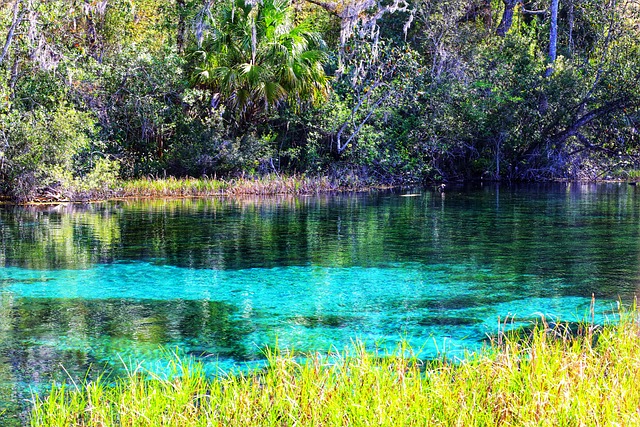
Florida’s underground aquifers are a hidden treasure that plays a crucial role in the state’s ecosystem. These vast underground water reservoirs supply drinking water to millions of Floridians and support diverse ecosystems by providing water to wetlands, rivers, and springs. However, the secrets of Florida’s underground aquifers are still largely unknown to most people. In this article, we will delve into the world of Florida’s aquifers and uncover some of the mysteries that lie beneath the surface.
One of the most important aspects of Florida’s underground aquifers is their interconnectedness. These aquifers are made up of layers of porous rock and sand that act as a natural filter for rainwater to seep down into the ground. As the water filters through these layers, it collects in underground reservoirs known as aquifers. These aquifers are interconnected through a network of underground rivers and streams, allowing water to flow freely between them.
The Floridan aquifer is the largest and most important aquifer in Florida, supplying water to most of the state’s residents. This aquifer extends beneath the entire state and reaches depths of up to 1,000 feet in some areas. It is composed of layers of limestone and sandstone that can hold vast amounts of water. The Floridan aquifer is a vital source of drinking water for Florida’s growing population, but it is also at risk of contamination from pollutants and overuse.
One of the secrets of Florida’s underground aquifers is the presence of unique ecosystems that depend on these water sources. Florida’s aquifers support a variety of plants and animals that are adapted to the wet and dark underground environment. Cave-dwelling species such as blind crayfish and cave beetles are found in the tunnels and passages of Florida’s aquifers, while underwater caves provide habitat for rare species of fish and other aquatic creatures.
Another secret of Florida’s aquifers is their vulnerability to pollution and overuse. As Florida’s population continues to grow, the demand for water from the aquifers is increasing. Pollution from agricultural runoff, sewage leaks, and chemical spills can contaminate the aquifer water and make it unsafe for drinking. Overpumping of the aquifers can also lead to saltwater intrusion, where seawater seeps into the freshwater aquifer, making the water saline and unusable.
To unlock the secrets of Florida’s underground aquifers, scientists are studying the flows of water through the aquifer systems using advanced technology such as dye tracing and computer modeling. These studies help to understand how water moves through the aquifers, where it is being recharged and discharged, and how long it takes for water to travel from one part of the aquifer to another.
Protecting Florida’s underground aquifers is crucial for the state’s future. Conservation efforts such as reducing water use, preventing pollution, and preserving natural areas that recharge the aquifers are essential to ensure the sustainability of the water supply. By unlocking the secrets of Florida’s underground aquifers and understanding the delicate balance of this hidden ecosystem, we can work towards safeguarding this precious resource for generations to come.
Leave a Reply