Florida, known for its stunning coastlines, lush wetlands, and vibrant ecosystems, faces significant challenges in preserving its water resources. As the state grapples with issues such as climate change, population growth, and pollution, the importance of protecting its water sources becomes even more crucial. For individuals recovering from addiction, engaging in water conservation efforts can serve as a powerful tool for personal growth and community involvement, fostering a sense of purpose while contributing to the state’s environmental sustainability.
Understanding the Connection Between Addiction and Water Resources
The journey of recovery from addiction often involves a quest for purpose and connection. Many recovering individuals find that engaging with nature, particularly through activities like hiking, fishing, or volunteering for clean-up initiatives, can play a pivotal role in their healing process. These activities not only promote mental well-being but also enhance one’s connection to the environment, fostering a sense of responsibility toward preserving Florida’s precious water resources.
1. Community Engagement and Education
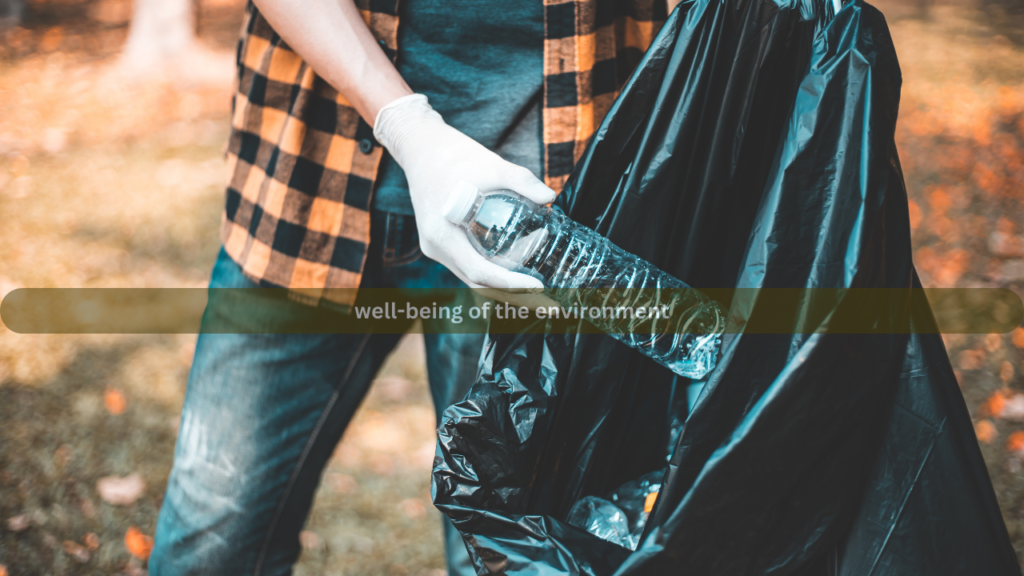
One of the most effective strategies for protecting Florida’s water resources is community engagement. Local organizations and recovery groups can organize educational workshops that focus on water conservation, pollution prevention, and sustainable practices. By informing individuals about the importance of clean water and the impact of pollution, communities can empower recovering individuals to take action. Events such as clean-up days at local beaches or rivers can provide opportunities for participants to actively contribute while reinforcing their commitment to a healthier lifestyle.
2. Promoting Sustainable Practices
Incorporating sustainable practices into daily life is essential for water conservation. Individuals in recovery can adopt habits such as using water-efficient appliances, reducing water waste, and practicing responsible landscaping techniques. For instance, implementing xeriscaping—designing landscapes that require minimal irrigation—can help conserve water while enhancing the beauty of Florida’s natural environment. Workshops that teach these sustainable practices can further empower those in recovery to make a lasting impact on their communities.
3. Collaboration with Local Governments and NGOs
Partnerships with local governments and non-profit organizations can amplify efforts to protect water resources. Engaging in initiatives like tree planting, wetland restoration, or rain garden installations can significantly improve local water quality and habitat. For those in recovery, participating in these collaborative efforts can build a sense of belonging and responsibility, reinforcing their commitment to both personal and environmental health.
4. Advocating for Policy Change
Recovering individuals can play a crucial role in advocating for policies that protect Florida’s water resources. By joining advocacy groups or attending local government meetings, they can voice concerns about pollution, water management, and conservation efforts. This not only empowers individuals in recovery but also helps create a more sustainable future for the entire state. Effective advocacy can lead to the implementation of stronger environmental regulations, ensuring the protection of Florida’s vital water resources for generations to come.
5. Building a Culture of Conservation
Ultimately, the goal is to cultivate a culture of conservation within communities. Encouraging open discussions about the importance of water resources and integrating these values into recovery programs can create lasting change. By fostering an environment that prioritizes sustainability, communities can support recovering individuals in their journey while simultaneously protecting Florida’s liquid legacy.
In conclusion, every drop counts in the pursuit of a sustainable future for Florida. By integrating strategies that promote community engagement, sustainable practices, collaboration, advocacy, and a culture of conservation, those in recovery can play an essential role in protecting the state’s water resources. This dual approach not only aids in individual healing but also contributes to the collective well-being of the environment, illustrating that the journey of recovery and the preservation of nature are deeply interconnected.
Leave a Reply