
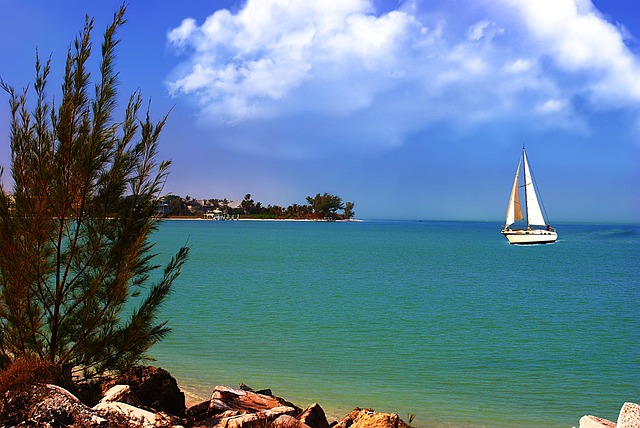
Florida is known for its stunning beaches, crystal-clear springs, and abundant freshwater rivers and lakes. However, many people do not realize the complex journey that water takes through the state’s diverse watershed system. From rainfall and groundwater recharge to wetlands and estuaries, water in Florida’s watershed plays a critical role in supporting the state’s ecosystems, wildlife, and human populations.
One of the primary sources of water in Florida’s watershed is rainfall. The state receives an average of 54 inches of rain each year, with some areas receiving even more. When rain falls onto the surface of the land, it can seep into the ground, replenishing groundwater supplies. This process, known as groundwater recharge, is essential for maintaining healthy aquifers and providing a reliable source of drinking water for Floridians.
In addition to rainfall, Florida’s watershed is also fed by numerous freshwater springs. These springs are formed when underground aquifers filled with water are forced to the surface due to geological features such as sinkholes or faults. Florida is home to over 700 springs, each with its unique characteristics and water quality. These springs serve as important habitats for a variety of plant and animal species, as well as popular recreational destinations for locals and tourists alike.
As water moves through Florida’s watershed, it passes through a network of rivers, lakes, and wetlands. These bodies of water play a vital role in filtering pollutants, providing habitat for wildlife, and supporting recreational activities such as fishing and boating. The Everglades, for example, is a vast wetland ecosystem in southern Florida that serves as a critical habitat for numerous plant and animal species, including the iconic American alligator and the endangered Everglades snail kite.
As water continues its journey through the watershed, it eventually reaches Florida’s estuaries. Estuaries are areas where freshwater from rivers and streams mixes with seawater from the ocean. These unique ecosystems are incredibly productive, supporting a diverse array of plants, fish, and other marine life. Estuaries also play a crucial role in buffering coastal communities from storm surges and providing key habitats for commercial and recreational fisheries.
Unfortunately, Florida’s watershed faces numerous challenges that threaten its health and resilience. Pollution from agricultural runoff, urban development, and industrial activities can degrade water quality and harm sensitive ecosystems. Invasive species such as the Burmese python and water hyacinth can outcompete native plants and animals, disrupting the balance of the ecosystem. Climate change is also a significant threat, with rising sea levels and increased temperatures leading to more frequent and severe storms, droughts, and flooding events.
To address these challenges and protect Florida’s watershed, a collaborative, science-based approach is needed. Government agencies, non-profit organizations, businesses, and individuals all have a role to play in conserving and restoring the state’s water resources. Efforts to reduce pollution, restore wetlands, and promote sustainable water management practices can help ensure that Florida’s watershed remains healthy and vibrant for future generations.
In conclusion, tracing the journey of water through Florida’s watershed reveals the interconnectedness of the state’s diverse ecosystems and the critical role that water plays in supporting a wide range of plant, animal, and human communities. By understanding and protecting this vital resource, we can help ensure a sustainable future for Florida’s environment and economy.
Leave a Reply