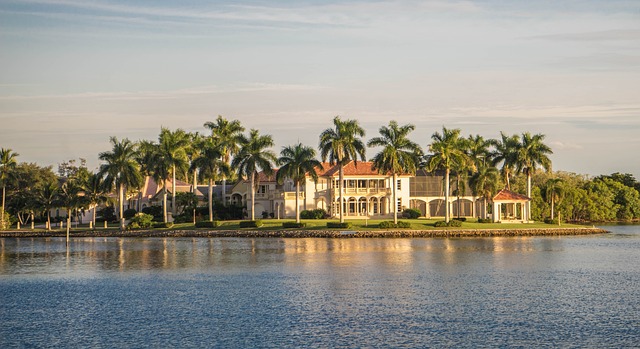
Florida’s coastal watersheds are vital ecosystems that sustain diverse flora and fauna while providing essential services to human communities. These watersheds are home to a wide range of habitats, including estuaries, wetlands, rivers, and mangrove forests, which support a rich variety of wildlife and play a crucial role in preserving water quality, reducing flood risks, and mitigating the impacts of climate change.
However, these valuable coastal watersheds are facing increasing threats from a range of human activities, including pollution, habitat destruction, overdevelopment, and climate change. Without concerted efforts to safeguard these ecosystems, Florida’s coastal watersheds will continue to degrade, leading to irreversible damage to both the environment and the economy.
One of the key challenges facing Florida’s coastal watersheds is pollution, which can come from a variety of sources, including industrial discharge, agricultural runoff, and urban stormwater runoff. Pollution can lead to the eutrophication of water bodies, where excess nutrients like nitrogen and phosphorus cause harmful algal blooms, which deplete oxygen levels in the water and harm aquatic life. To protect Florida’s coastal watersheds from pollution, it is essential to implement effective regulations and monitoring programs, as well as to encourage sustainable practices in agriculture, industry, and urban development.
Habitat destruction is another major threat to Florida’s coastal watersheds, as wetlands, mangroves, and other important habitats are being cleared for development, agriculture, and infrastructure projects. Without these habitats, many species of plants and animals will lose their homes, leading to declines in biodiversity and ecosystem function. To safeguard Florida’s coastal watersheds, it is essential to protect and restore key habitats through the establishment of protected areas, conservation easements, and restoration projects.
Overdevelopment is also putting pressure on Florida’s coastal watersheds, as increasing populations and urban sprawl lead to the loss of natural land cover and the fragmentation of habitats. Without careful planning and regulation, urban development can exacerbate pollution, habitat destruction, and flooding in coastal watersheds. To protect these ecosystems, it is essential to promote smart growth policies that encourage compact, sustainable development while protecting key natural areas and green spaces.
Climate change is a growing threat to Florida’s coastal watersheds, as rising sea levels, increased temperatures, and more frequent extreme weather events pose significant challenges to these fragile ecosystems. Climate change can lead to increased coastal erosion, saltwater intrusion, and habitat loss, which can have far-reaching impacts on water quality, biodiversity, and human communities. To safeguard Florida’s coastal watersheds from the impacts of climate change, it is essential to reduce greenhouse gas emissions, adapt to changing conditions, and protect and restore resilient habitats.
In conclusion, Florida’s coastal watersheds are valuable ecosystems that provide essential services to both wildlife and human communities. To safeguard these ecosystems for future generations, it is essential to address the threats of pollution, habitat destruction, over development, and climate change through effective regulations, conservation efforts, and sustainable practices. By working together to protect and restore Florida’s coastal watersheds, we can ensure a healthy and prosperous future for both the environment and the economy.
Leave a Reply